

If you are suffering from tooth damage or decay, you have two options to choose from to restore your dental function or aesthetics—a dental crown and a filling. While both options can be useful, they differ in durability, cost, and application. The point is here to learn these differences so that you can make an informed decision.
Let’s explore the differences between dental crowns and fillings, including types, advantages and disadvantages, cost, and weighing the factors.
Understanding Core Filling: Repairing Minor Issues
A core filling is generally the basic defense for minor tooth damage such as a small cavity or a slight chip on the teeth. A filling is there to repair such minor issues, shaping up and help the affected teeth restore functioning without having to go in-depth.
What Does a Core Filling Do?
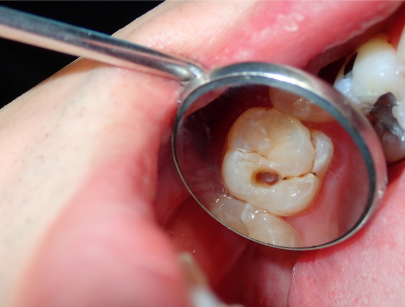
Core fillings restore minor to moderate damage, including:
- Small cavities: When a hole is formed in your tooth due to decay, a filling closes it off so that there is no room for more bacterial growth.
- Minor chips or cracks: Small blemishes in the enamel of the tooth can be repaired with a filling, particularly in spots that don’t experience heavy chewing forces.
- Worn teeth: Teeth that have been ground down or otherwise worn away can sometimes be filled up with fillings to reshape them.
Fillings leave most of the natural tooth structure intact.
The Core Filling Process
Having a filling is usually a simple, one-visit process. Here’s what you can expect:
- Numbing the Area: Your dentist will use local anesthesia to ensure you’re comfortable during the procedure.
- Removing Decay: The decayed or damaged portion of the tooth is carefully removed using precise dental tools.
- Cleaning the Cavity: The area is cleaned to remove debris and create a surface that bonds well with the filling material.
- Seating the Filling: A substance such as composite resin, amalgam, glass ionomer, or gold is inserted into the cavity and molded to fit your tooth’s natural shape.
- Polishing: The filling is polished to provide a smooth surface and a comfortable bite.
This is a fast process, usually done in less than an hour, and fillings are less expensive than other restorative methods. They’re a great option for repairing small damages without drastically changing the tooth.
Crowns: A Strong Solution for Major Damage
In case of a severe tooth damage, a core filling is not sufficient. This makes your dentist to suggest you more serious option called dental crown. Also known as a cap, a crown is a special restoration that goes over the entire visible surface of the tooth, giving it strength and protection. Simply put, it is a tooth-shaped cap that is placed over a damaged tooth.
When Are Crowns Necessary?
Crowns are used for more serious dental problems, such as:
Huge cavities: When decay has weakened a tooth to an extent, a filling may not stay, and a crown is required to avoid fracture.
Broken or cracked teeth: Teeth with large cracks are prone to breaking further, and a crown functions as a protective shield to keep the tooth together.
Following root canal treatment: Following root canal therapy, teeth become brittle. A crown shields and reinforces the treated tooth.
Severely worn teeth: Teeth worn down significantly may need a crown to restore their size, shape, and function.
Cosmetic improvements: Crowns can cover discolored or misshapen teeth for a better appearance.
Dental bridges: Crowns anchor bridges to replace missing teeth.
Crowns are like a protective helmet for your tooth, restoring its appearance and durability while preventing further damage.
The Crown Procedure
Unlike fillings, obtaining a crown typically takes two or more trips to the dentist. Here’s what happens:
First Visit
Examination and Shaping: Your dentist will inspect the tooth, take X-rays to evaluate the damage, and shape the tooth by drilling out decay and cutting it down to size for the crown.
Impression: A bite impression of your tooth and supporting teeth is made and mailed to a dental laboratory to make your crown.
Temporary Crown: A temporary crown is installed to guard your tooth while the permanent crown is being fabricated.
Second Visit
Removing the Temporary Crown: The temporary crown is removed.
Fitting the Permanent Crown: The permanent crown is checked for fit, bite, and appearance. Adjustments are made, if necessary.
Cementing the Crown: Once all is well, the crown is cemented permanently onto the tooth using strong dental adhesive.
Crowns are a more extensive procedure, involving more tooth preparation and lab work. Although more expensive than fillings, crowns provide superior strength and durability for damaged teeth.
Are Crowns and Fillings the Same?

No, they are not—they are two distinct treatments for different types of tooth damage. Let’s break it down:
Key Differences between Fillings and Crowns
Coverage: A filling restores a particular area of damage, such as a cavity or chip. A crown encases the whole visible portion of the tooth, from the chewing surface to the gum line.
Purpose: Fillings correct small to medium problems, whereas crowns correct teeth with extensive damage or weakness.
Procedure Time: Fillings are typically completed in one visit, while crowns take several appointments because of lab fabrication.
Materials: Fillings employ materials such as composite resin or amalgam placed directly. Crowns are of porcelain, metal, or both, fabricated in a laboratory.
Strength: Fillings support locally, while crowns supply overall protection and strengthening.
Cost: Fillings tend to be less costly than crowns, as they use more materials and time.
Tooth Preparation: Fillings involve less removal of the tooth, while crowns require more shaping to hold the cap.
Knowing these variations makes it easier to follow your dentist’s advice and be sure of your treatment plan.
Selecting the Best Dental Insurance for Fillings and Crowns
Fillings and crowns can be expensive, so it is a good idea to find the best dental insurance for fillings and crowns.
- Fillings: The majority of plans categorize fillings as basic restorative care, covering them at a higher percentage (e.g., 80%) once you’ve paid your deductible.
- Crowns: Crowns are usually major restorative care, with lower coverage (e.g., 50%) and potential waiting periods before benefits kick in.
However, keep in mind that insurance plan and polices vary when it comes to dental treatment. So, it is best to talk with your provider about the same. When buying dental insurance, look for factors such as coverage levels, deductibles (amount to pay before coverage kicks in), and annual maximums, waiting periods, network options, premium costs and exclusions.
Making the Right Choice for Your Smile
Choosing between core fillings and crown depends on the degree of tooth damage and how much restoration is required. Core fillings are ideal for slight problems such as small chips or cavities, whereas crowns are best suited for seriously damaged or compromised teeth. Your dentist will guide you over the right option for you.