
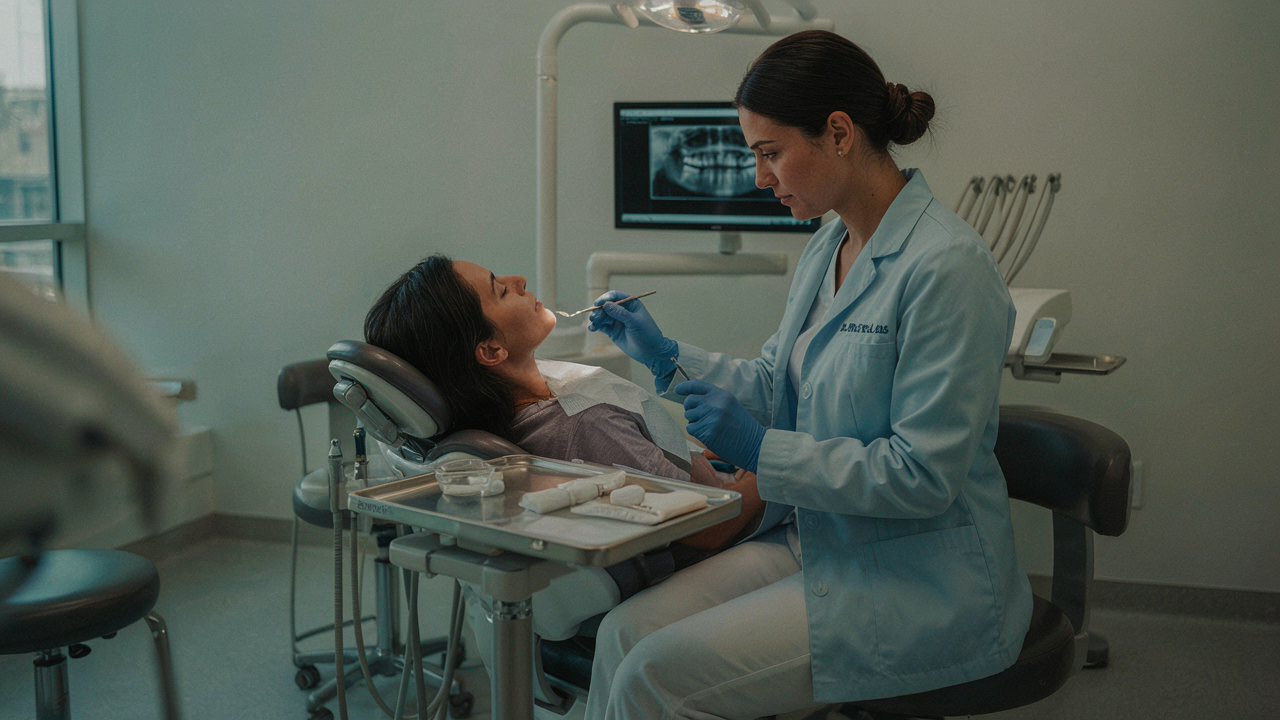
“A Dental Emergency Rarely Waits for a Convenient Time”
A sudden toothache at midnight, a knocked-out tooth during a game, or swelling that appears without warning can turn an ordinary day into a stressful situation. In moments like these, knowing when to search for an emergency dentist open now can make it easier to respond quickly and seek appropriate professional care.
“When dental pain becomes sudden, severe, or associated with swelling, bleeding, or injury, prompt professional evaluation matters.” Not every dental problem requires emergency treatment. However, severe pain, dental trauma, uncontrolled bleeding, significant swelling, or signs of infection should not simply be ignored. For patients in Atlanta, understanding the warning signs and knowing where to seek professional dental care can help prevent an urgent problem from becoming more complicated.
What Is Considered a Dental Emergency?
A dental emergency generally involves a problem that causes significant pain, bleeding, infection, trauma, or a risk of permanent damage. When these symptoms occur, searching for an emergency dentist open now may be more appropriate than waiting for a routine dental appointment.
Common dental emergencies include:
- Severe or persistent tooth pain
- A knocked-out permanent tooth
- A cracked, fractured, or broken tooth
- Significant swelling around the face or jaw
- Dental abscesses
- Signs of a spreading dental infection
- Uncontrolled oral bleeding
- Serious injuries to the mouth or jaw
- A damaged crown or filling causing significant pain
- Severe sensitivity accompanied by pain or swelling
The urgency depends on the severity and cause of the problem. A dental professional can assess the condition and determine the appropriate next step.
Severe Tooth Pain: When Should You Act?
A mild toothache that disappears quickly may not require emergency treatment, but intense or persistent pain can indicate an underlying problem. Tooth decay, pulp inflammation, infection, a cracked tooth, or trauma may all cause significant discomfort. If pain is severe, worsening, preventing sleep, or accompanied by swelling or fever, it may be time to search for an emergency dentist near me rather than relying solely on temporary home remedies. Prompt evaluation can help identify the underlying cause and determine whether treatment such as a filling, root canal, medication, or another dental procedure is appropriate.
Knocked-Out or Broken Teeth
Dental trauma requires timely attention. If a permanent tooth is completely knocked out, handle it carefully by the crown rather than the root. If possible, gently rinse it without scrubbing and seek urgent dental care. A broken or fractured tooth may expose sensitive inner structures and cause pain. Depending on the severity of the damage, treatment could include bonding, a crown, root canal treatment, or another procedure. For children, adults, athletes, and anyone experiencing dental trauma in Atlanta, contacting an emergency dentist open now can help determine how quickly the injury needs professional evaluation.
Dental Infections and Abscesses
A dental infection can cause tooth pain, gum swelling, facial swelling, tenderness, fever, or a bad taste in the mouth. A dental abscess is a pocket of infection that can require professional treatment. An infection should not be treated as something that will necessarily disappear on its own. Delaying evaluation can allow the infection to worsen or spread.
Facial Swelling and Dental Abscesses
Swelling around a tooth or gum may be associated with infection, particularly when accompanied by severe pain, fever, or difficulty opening the mouth. If swelling is significant or rapidly increasing, urgent evaluation is important. If swelling affects breathing or swallowing, or there are signs of a serious systemic illness, emergency medical care may be necessary. In less severe but urgent dental situations, searching for an emergency dental treatment near me can help you find professional dental evaluation rather than attempting to manage the underlying cause at home.
Uncontrolled Dental Bleeding
Some bleeding after dental procedures or minor injuries can be expected, but persistent or heavy bleeding requires attention.
If bleeding does not stop with appropriate pressure or appears excessive, contact a dental professional promptly. Significant trauma involving the mouth, face, or jaw may also require emergency medical assessment. The important distinction is whether the bleeding is minor and controllable or persistent and potentially serious.
Damaged Fillings, Crowns, and Other Dental Work
A filling or crown can occasionally become loose, cracked, or displaced. While a damaged restoration may not always represent a life-threatening emergency, it can expose the tooth to sensitivity, further damage, or irritation. If the tooth is painful, the restoration has fallen out completely, or the underlying tooth has been damaged, an emergency dentist open now may be able to evaluate the situation and determine whether temporary or definitive treatment is required. Avoid chewing hard foods on the affected side until the tooth has been assessed.
Can Emergency Rooms Remove Teeth?
One common question is: can emergency rooms remove teeth? Hospital emergency departments can provide urgent medical assessment and may manage serious complications related to dental infections or facial injuries. However, emergency rooms generally are not designed to provide comprehensive dental procedures such as routine tooth extraction. If a tooth needs to be removed, a dentist or oral surgeon is typically the appropriate professional to evaluate the tooth and determine whether extraction is necessary.
If there are signs of a potentially dangerous infection, such as difficulty breathing or swallowing, rapidly progressing facial or neck swelling, or severe systemic symptoms, going to an emergency department may be appropriate.
When Is Emergency Tooth Extraction Necessary?
An emergency tooth extraction may be considered when a tooth is severely damaged, cannot be predictably restored, or is associated with a serious infection or other urgent dental problem. Extraction is not automatically the first choice. Dentists generally assess whether the tooth can be saved through treatments such as restoration or root canal therapy.
The decision depends on factors including:
- Extent of tooth damage
- Presence of infection
- Condition of surrounding tissues
- Ability to restore the tooth
- Patient’s overall oral health
- Symptoms and clinical findings
A professional examination is necessary before determining whether extraction is appropriate.
When Should You See an Emergency Orthodontist?
Orthodontic problems can also occur unexpectedly. If you have braces or other orthodontic appliances, you may need to search for an emergency orthodontist near me if you experience:
- A broken bracket causing significant irritation
- A loose or protruding wire
- An orthodontic appliance injury
- A sharp wire cutting the cheek or gum
- Trauma involving braces
- Severe pain associated with an orthodontic appliance
Not every broken bracket is a dental emergency. If the issue is uncomfortable but not causing significant injury, your orthodontic provider may be able to advise you on temporary measures and arrange an appointment. However, significant oral injuries, uncontrolled bleeding, facial trauma, or severe swelling should receive appropriate urgent evaluation.
What Should You Do Before Seeing a Dentist?
While waiting for professional care, simple measures may help protect the affected area and reduce discomfort.
Helpful First-Aid Measures
- Gently rinse your mouth with warm salt water.
- Apply a cold compress externally if swelling is present.
- Avoid chewing on the painful or injured side.
- Maintain gentle oral hygiene without irritating the affected area.
- If a permanent tooth is knocked out, handle it carefully and seek urgent dental care.
- Use over-the-counter pain medication only as directed and when appropriate for you.
- Avoid placing aspirin directly against the gums or tooth.
- Do not attempt to remove a tooth yourself.
These measures are temporary and do not replace professional diagnosis or treatment.
When Is It Routine and When Is It an Emergency?
Understanding the difference can help you choose the right level of care.
Usually Routine
- Mild sensitivity
- Occasional minor discomfort
- Small cosmetic concerns
- A routine check-up
- A slightly chipped tooth without pain
Potentially Urgent
- Severe or persistent tooth pain
- Significant swelling
- Dental abscess
- Knocked-out permanent tooth
- Uncontrolled bleeding
- Major tooth fracture
- Facial or jaw trauma
- Infection accompanied by systemic symptoms
When symptoms are severe or rapidly worsening, do not wait for a routine appointment simply because the problem started outside normal office hours. Searching for an emergency dentist open now can help you identify an appropriate option for urgent dental evaluation.
Why Prompt Dental Evaluation Matters
Dental problems can sometimes progress when treatment is delayed. A small cavity can become more extensive, an untreated infection can worsen, and dental trauma may become more difficult to manage with time. This does not mean every toothache requires immediate emergency care. Instead, patients should consider the severity, duration, symptoms, and potential risk of the condition. For Atlanta patients experiencing an urgent dental concern, an emergency dentist open now can provide professional assessment and help determine what treatment is appropriate.
Get Professional Help for Urgent Dental Problems in Atlanta
When a dental emergency occurs, the priority is understanding what is happening and receiving appropriate care. Jain Dental Care provides professional dental services for patients who need evaluation of urgent oral health concerns.
Explore the Jain Dental Care to learn more about the practice and available care. You can also review dental services or Contact Jain Dental Care to discuss your dental concern.
You can also view the practice’s Google Business Profile for additional local information.
If you are experiencing severe pain, swelling, dental trauma, bleeding, or another urgent dental concern, don’t ignore the symptoms. Contact Jain Dental Care for professional evaluation and guidance on the appropriate next step.
“The sooner an urgent dental problem is evaluated, the sooner you can understand your treatment options.”
Frequently Asked Questions
1. When should I search for an emergency dentist open now?
Search for an emergency dentist when you experience severe or persistent tooth pain, significant swelling, uncontrolled bleeding, dental trauma, a knocked-out tooth, or symptoms suggesting infection. A dental professional can assess the urgency and recommend appropriate treatment based on your condition.
2. What symptoms require an emergency dentist near me?
Severe tooth pain, facial swelling, dental abscesses, uncontrolled bleeding, broken or knocked-out permanent teeth, and significant mouth injuries may require urgent dental evaluation. Symptoms involving difficulty breathing or swallowing can require emergency medical attention rather than waiting for a dental appointment.
3. Can emergency rooms remove teeth?
Emergency rooms can assess serious dental infections, facial injuries, and complications, but they generally do not provide comprehensive dental procedures. Tooth extraction is typically performed by a dentist or oral surgeon after evaluating the tooth, surrounding tissues, infection, and available treatment options.
4. When is emergency tooth extraction necessary?
Emergency tooth extraction may be considered when a tooth is severely damaged, cannot be predictably restored, or is contributing to an urgent infection. A dentist first evaluates the tooth and surrounding structures to determine whether extraction or a tooth-preserving treatment is more appropriate.
5. What should I do before getting emergency dental treatment near me?
Gently rinse with warm salt water, use a cold compress for swelling, avoid chewing around the affected area, and maintain gentle oral hygiene. Over-the-counter pain medication may help when appropriate, but always follow the label directions and seek professional dental evaluation.