
Getting a dental implant can feel like a big step, especially if you are already worried about dental pain. You may wonder whether the procedure will hurt, how uncomfortable recovery might be, or whether you will be able to return to your daily routine.
The good news is that local anaesthesia is used to numb the treatment area during implant placement, helping prevent sharp pain. However, some pressure during the procedure and soreness afterwards are normal possibilities. Understanding what to expect can make the experience less stressful.
For patients considering dental implants in Atlanta, GA, knowing how discomfort is managed and what recovery involves can help make the decision less overwhelming.
1. Does Getting a Dental Implant Hurt During the Procedure?
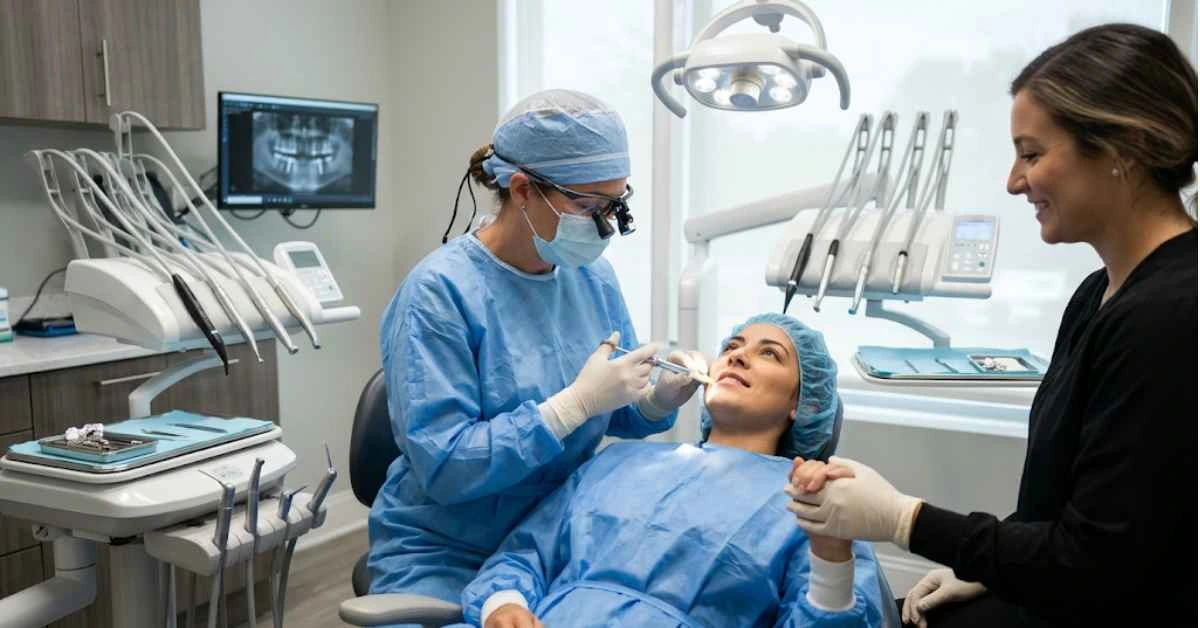
Getting a Dental Implant Hurt is a common concern, but implant placement is generally performed under local anaesthesia to numb the treatment area. This means you should not feel sharp pain during the procedure, although you may notice pressure, vibration or movement.
Local anaesthesia temporarily blocks pain signals from the treatment area. Your dentist checks that the area is sufficiently numb before beginning. If you experience pain or significant discomfort during the procedure, let the dental team know. They can assess the area and provide additional anaesthesia if needed.
The experience can vary depending on the number of implants being placed and the complexity of the procedure. If you feel anxious, discuss your concerns beforehand so your dental team can explain how your appointment will be managed.
2. What Does Dental Implant Pain Actually Feel Like?
Patients sometimes expect implant surgery to involve intense pain, but the sensations are often different from what they imagine.
During the procedure, you may notice:
- Pressure: A pushing sensation as the dentist works around the treatment area.
- Vibration: Movement or vibration from dental instruments.
- Mild discomfort: Some sensations may feel unusual, even when the area is numb.
After the procedure, the feeling is more likely to resemble soreness or tenderness around the gums and jaw. You may notice discomfort when eating, talking or touching the area.
Everyone experiences pain differently. A straightforward implant placement may involve less discomfort than a more complex procedure requiring additional treatment. Your individual health and response to surgery can also influence recovery.
3. Will You Feel Pain When the Anaesthesia Wears Off?
Yes, you may begin noticing soreness as the local anaesthesia wears off. The numb feeling usually fades gradually over several hours, although the timing varies depending on the anaesthetic used.
Once sensation returns, the gums and surrounding tissues may feel tender. You might also notice mild throbbing, jaw soreness or slight swelling near the implant site.
This is a normal part of recovery for many patients. Your dentist may recommend a pain management plan before you leave the office. Ask when to take any recommended medication so you are prepared as the numbness fades.
Avoid chewing on the numb side because you could accidentally bite your cheek, tongue or lip without realising it.
4. How Much Pain and Swelling Should You Expect After Implant Surgery?
Some soreness, swelling and bruising are common after dental implant surgery. These effects are part of the body’s response to the procedure and do not automatically mean something has gone wrong.
You may experience:
- Tenderness around the gums where the implant was placed.
- Mild to moderate facial swelling.
- Bruising around the cheek or jaw.
- Minor bleeding or blood-tinged saliva shortly after surgery.
- Sensitivity when eating or moving your jaw.
The amount of discomfort depends on factors such as the number of implants, the extent of surgery and your body’s healing response.
The type of treatment and aftercare recommended can also influence how comfortable your recovery feels. Your dentist can explain what to expect based on your individual treatment plan.
5. How Many Days Does Dental Implant Pain Usually Last?
There is no single recovery timeline for everyone, but discomfort generally becomes easier to manage as the surgical area heals.
First 24 hours: Numbness gradually wears off, and soreness may become noticeable. Some minor bleeding and swelling can occur.
Days 2–3: Swelling and tenderness may become more noticeable during this period. Follow your dentist’s instructions and avoid putting unnecessary pressure on the implant site.
Days 4–7: Many patients begin noticing improvement in soreness and swelling. However, the healing process varies, particularly after more extensive treatment.
Although the gums may feel better within a week, the implant still needs time to integrate with the surrounding jawbone. This deeper healing process can take several months.
The recovery period can differ depending on the procedure and individual healing response. These dental implant recovery details explain common post-surgery effects, including swelling, bruising and discomfort.
6. What Helps Relieve Pain After Dental Implant Surgery?
Following your dentist’s aftercare instructions is one of the most important parts of a comfortable recovery. A few practical steps can help manage discomfort:
- Take medication as directed: Use prescribed or recommended pain medication according to your dentist’s instructions. Do not change the dose without professional advice.
- Use cold compresses: Apply a cold pack to the outside of your cheek when advised. Wrap it in a cloth and never place ice directly against your skin.
- Choose soft foods: Yogurt, mashed potatoes, scrambled eggs and other soft foods can reduce pressure while chewing.
- Avoid smoking: Smoking can interfere with healing and affect implant success.
- Limit strenuous activity: Rest during the early recovery period. Avoid intense workouts, running or heavy lifting until your dentist says it is safe.
- Follow oral care instructions: Keep your mouth clean as directed, but avoid disturbing the surgical site.
If you regularly exercise, plan to take a break from strenuous activities during the initial recovery period. Your dentist can advise when it is appropriate to resume your normal routine.
7. Why Does Dental Implant Pain Sometimes Get Worse Instead of Better?
Pain after dental implant surgery should generally begin improving as healing progresses. If discomfort becomes stronger instead of settling, it deserves attention.
Possible reasons include infection, inflammation, irritation of the surrounding tissues or problems affecting the healing implant. Persistent pressure or an issue with the bite may also need to be assessed.
Smoking, inadequate oral care and certain health conditions can affect the healing process. These factors may increase the risk of complications or delay recovery.
If pain increases after initially improving, contact your dentist rather than waiting for it to disappear on its own. You can also review this implant safety information to understand potential risks associated with dental implants.
8. When Should You Worry About Pain After Getting a Dental Implant?
Mild soreness can be expected, but certain symptoms should not be ignored. Contact your dentist if you experience:
- Severe or steadily worsening pain.
- Increasing swelling rather than gradual improvement.
- Persistent bleeding.
- Fever or unusual discharge around the implant site.
- Numbness that continues beyond the expected effects of anaesthesia.
- A feeling that the implant is loose or moving.
Seek urgent medical attention if you experience rapidly increasing swelling or difficulty breathing or swallowing.
Early professional assessment can help identify the cause of discomfort and prevent a potential complication from becoming more serious.
9. Frequently Asked Questions About Dental Implant Pain
Is dental implant surgery more painful than tooth extraction?
It depends on the complexity of each procedure and the individual patient. Both are performed with anaesthesia, and recovery discomfort can vary. One procedure is not automatically more painful for everyone.
Can I sleep comfortably after dental implant surgery?
Many patients can sleep normally, although tenderness may make the first night less comfortable. Follow your dentist’s advice about sleeping position and medication.
Can I return to work the next day?
Some patients return to desk work the following day, while others need more time. Your recovery, procedure complexity and type of work all matter. Follow your dentist’s recommendation.
Does getting multiple dental implants cause more pain?
Multiple implants may involve a larger treatment area, which can affect swelling and recovery. The experience depends on the number and location of implants and the complexity of treatment. The recovery experience can differ between single and multiple implants.
Can dental implants hurt months after surgery?
Persistent or new pain months after placement should be evaluated. It may be related to inflammation, infection, bite problems or another issue involving the implant or surrounding tissues.
Do dental implant bone grafts cause extra pain?
Bone grafting involves additional treatment, so it may lead to more post-operative soreness or swelling. Your dentist can explain what to expect based on the procedure planned.
Discuss Your Dental Implant Concerns With a Dentist in Atlanta
If the thought of dental implant surgery makes you nervous, you are not alone. Asking questions about anaesthesia, pain management and recovery before treatment can help you understand what to expect.
At Jain Dental Care in Atlanta, GA, you can discuss your concerns with the dental team and ask about the implant treatment options available for your situation. Understanding your treatment plan can help you make a more informed decision.
Contact Jain Dental Care to discuss your dental concerns and arrange an appointment.