
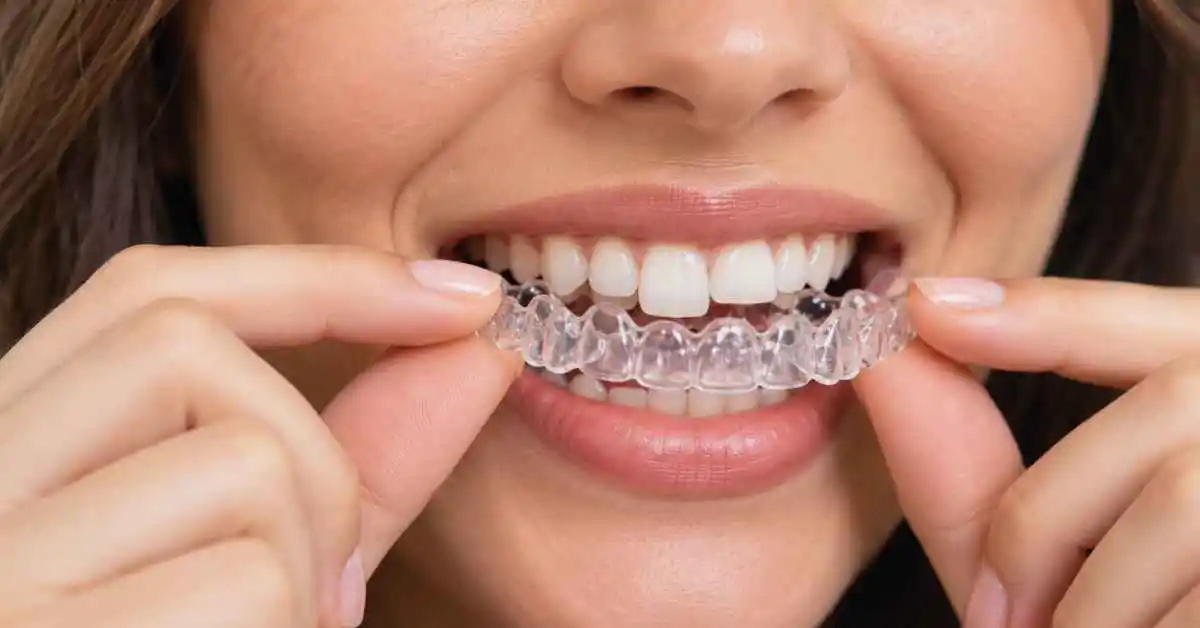
When teeth overlap, twist, or appear squeezed together, brushing and flossing can become more difficult, and smiling comfortably may feel less natural. If you have crowded teeth in Atlanta, clear aligners may offer a discreet way to improve tooth alignment without traditional metal braces. However, the right treatment depends on how much crowding you have, how your bite fits together, and the condition of your teeth and gums.
Clear aligners can correct many mild to moderate cases of dental crowding, but they are not suitable for every orthodontic problem. Understanding how treatment works, what it involves, and when braces may be a better option can help you make an informed decision about your smile.
Quick Answer: Can Clear Aligners Fix Crowded Teeth?
Yes, clear aligners can help correct many cases of crowded teeth by applying controlled pressure to gradually move teeth into planned positions. They are often considered for mild to moderate crowding, although more complex cases may require braces or other orthodontic treatment. A dental examination is necessary to determine whether clear aligners are appropriate for your individual needs.
What Causes Crowded Teeth?
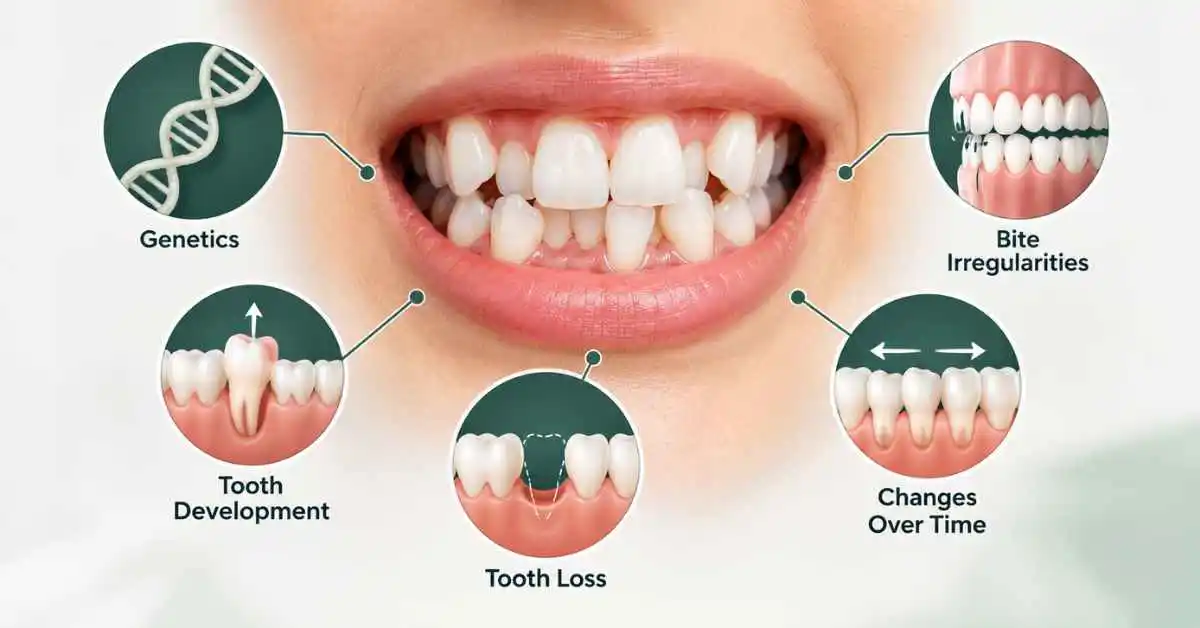
Dental crowding occurs when there is insufficient space for teeth to align properly. As a result, teeth may overlap, rotate, or become displaced from their usual positions. The condition can affect the upper teeth, lower teeth, or both.
Several factors may contribute to crowded teeth:
- Genetics: Inherited differences in jaw size and tooth size can affect available space.
- Natural tooth development: Permanent teeth may erupt into positions where space is limited.
- Tooth loss: Losing a tooth can allow neighboring teeth to shift.
- Changes over time: Teeth may gradually move throughout adulthood, even after previous orthodontic treatment.
- Bite irregularities: Differences in how the upper and lower teeth meet can occur alongside crowding.
Crowding is not always just a cosmetic concern. Overlapping teeth can make certain areas harder to clean, potentially allowing plaque to accumulate. The American Dental Association explains that orthodontic problems may also affect chewing, tooth wear, and oral health.
How Can Clear Aligners Help With Crowded Teeth in Atlanta?
Clear aligners are custom-made, removable trays designed to move teeth gradually. Each set applies controlled pressure according to an individualized treatment plan, with subsequent trays guiding the teeth through planned movements.
For patients considering crowded teeth treatment, the process generally involves these steps:
1. Dental Examination and Treatment Planning
A dentist or orthodontist examines your teeth, gums, bite, and overall oral health. Digital scans, photographs, and X-rays when indicated can help assess tooth positions and identify concerns that may affect treatment.
2. Custom Aligner Fabrication
A series of aligners is created based on the treatment plan. Each tray is designed for a particular stage of tooth movement.
3. Consistent Daily Wear
Aligners must be worn for the prescribed number of hours each day. The American Association of Orthodontists commonly recommends approximately 22 hours daily, removing the trays for meals, drinks other than water, and oral hygiene.
4. Progress Monitoring
Follow-up appointments allow the dental professional to assess tooth movement and make adjustments when necessary. Some patients may also need attachments or additional aligners to achieve the planned result.
If you are comparing treatment options, review the available clear aligner therapy options to understand the type of care that may be relevant to your alignment concerns.
Clear Aligners vs. Braces for Crowded Teeth
Both clear aligners and traditional braces can correct orthodontic problems. The more appropriate option depends on the severity of crowding, the complexity of tooth movement, your bite, and your ability to follow treatment instructions.
| Feature | Clear Aligners | Traditional Braces |
| Appearance | Transparent trays are less noticeable | Metal or ceramic brackets remain visible to varying degrees |
| Removability | Removed for meals and cleaning | Fixed to the teeth during treatment |
| Oral hygiene | Allows normal brushing and flossing after removal | Requires additional care around brackets and wires |
| Compliance | Requires consistent daily wear | Does not depend on remembering to insert trays |
| Complex cases | Suitable for many cases, but not all | May offer better control for certain complex movements |
For people considering clear aligners vs braces in Atlanta, appearance should not be the only deciding factor. A qualified dental professional can explain which option is more predictable for your specific tooth positions and bite.
Are Clear Aligners Suitable for Every Case of Dental Crowding?
No. Clear aligners can be effective for many mild to moderate cases, but severe crowding or complex bite problems may need a different approach.
Your treatment plan may depend on:
- The amount of space available in your dental arch.
- The degree of tooth rotation and overlap.
- Whether your upper and lower teeth meet correctly.
- Your gum health and the condition of your tooth roots.
- Whether additional procedures or appliances are needed.
In some cases, a clinician may recommend creating space between selected teeth, removing a tooth, or using braces instead. These decisions require an individualized assessment; not every patient with overlapping teeth needs an extraction or additional procedure.
For safe treatment, avoid choosing aligners solely through an online impression kit without appropriate professional assessment. The U.S. Food and Drug Administration’s guidance on clear dental aligners explains their intended use and the importance of professional supervision.
What Are the Benefits of Correcting Crowded Teeth?
Straightening crowded teeth can provide benefits beyond appearance, although the results depend on the individual’s condition and treatment.
Easier daily cleaning: Better-aligned teeth may make brushing and flossing around previously overlapping areas more manageable.
Improved bite function: When orthodontic treatment corrects a relevant bite problem, it may help improve how the teeth meet during chewing.
A more balanced smile: Moving crowded teeth into planned positions can reduce visible overlap and improve alignment.
Support for long-term oral hygiene: Better access to tooth surfaces can help with cleaning, but regular brushing, flossing, and dental checkups remain essential.
The American Dental Association’s orthodontic information explains how orthodontic treatment can address alignment and bite concerns in children and adults.
How Long Does Clear Aligner Treatment Take?
Treatment time varies according to the amount of crowding, the movements required, and how consistently aligners are worn. Some straightforward cases may take several months, while more involved treatment can take a year or longer.
Your dental professional can estimate the likely timeline after examining your teeth. Switching trays too early, wearing aligners inconsistently, or missing progress appointments may affect treatment and could require additional aligners.
After active treatment, retainers are generally needed to help maintain the corrected tooth positions. Teeth can shift over time, so following the recommended retainer schedule is an important part of treatment.
When Should You Seek Dental Attention?
Crowded teeth usually require a planned dental or orthodontic assessment rather than emergency care. However, significant pain when biting, gum swelling, a broken tooth, or sudden changes in your bite should not be ignored.
If you experience severe swelling, facial swelling, fever with dental pain, or difficulty swallowing or breathing, seek urgent medical or dental attention. Difficulty breathing or swallowing requires emergency care.
For an unexpected dental problem, Jain Dental Care provides information about when to seek immediate dental care. Routine crowding concerns can then be assessed separately to determine the appropriate orthodontic approach.
Conclusion: Choosing the Right Treatment for Crowded Teeth in Atlanta
Clear aligners can be a practical option for many people with crowded teeth, particularly when the alignment problem is mild to moderate and the patient can follow the prescribed wear schedule. More complex cases may benefit from braces or another individualized approach.
If overlapping teeth are making cleaning difficult or affecting your confidence, the next step is a professional evaluation rather than choosing a treatment based on appearance alone. You can schedule a dental consultation with Jain Dental Care to discuss your concerns and determine what type of dental or orthodontic assessment may be appropriate.
Frequently Asked Questions
1. Can clear aligners fix severely crowded teeth?
Some complex cases can be treated with aligners, but others respond more predictably to braces or combined treatment. An examination is needed to determine which option is suitable.
2. Are clear aligners suitable for adults in Atlanta?
Yes. Adults can receive orthodontic treatment if their teeth and gums are healthy enough for it. Age alone does not determine whether clear aligners are appropriate.
3. Are clear aligners painful?
You may experience temporary pressure or mild discomfort when starting a new set. Persistent or severe pain should be discussed with your dental professional.
4. Do I need to wear retainers after clear aligner treatment?
Usually, yes. Retainers help maintain tooth positions after active treatment. Your dentist or orthodontist will advise you on the appropriate type and wear schedule.
5. How do I know whether I need braces or clear aligners?
The decision depends on the severity of crowding, your bite, tooth movements required, and oral health. A clinical assessment can help identify the most appropriate treatment.