

A bright, healthy smile can add to your personality and make you feel fantastic about yourself. When you need to fix your teeth, two of the most popular solutions are dental implants and veneers. Both will enhance your smile, but they’re not the same. They address different issues and function differently.
So, how do you know which one to choose in what situation? Let’s find out why dental implants might be the better option over veneers, clarify what veneers are, and even briefly cover the types of dental implants you can have. Let’s get started and find out why dental implants are better than veneers in some situations.
What Are Veneers?

Before we discuss why dental implants may be the best option, let’s answer a frequently asked question: what are veneers?
Veneers are thin, individually crafted shells, typically of porcelain or composite resin that dentists cement onto the front of your teeth. Imagine them as a mask for your teeth—they hide imperfections to make your smile more attractive. They are wonderful for repairing issues such as chipped teeth, intractable stains, or small spaces between teeth.
Veneers are all about aesthetics. They don’t restore teeth or correct large structural issues—they just make what you have to look better. If your teeth are relatively healthy but could use a cosmetic boost, veneers can be an efficient and effective way to do it. But here’s the thing: they only do the trick if you still have teeth to apply them to. That’s where dental implants come in.
Why Are Dental Implants Better Than Veneers in Some Scenarios?
Now, let’s tackle the big question: why are dental implants better than veneers?
The answer depends on what your teeth need. Dental implants and veneers serve different purposes, and there are times when implants are not just better—they’re the only real option. Here are some key situations where dental implants shine.
- You’re Missing Teeth
The most obvious reason to choose dental implants over veneers is if you’re missing one or more teeth. Veneers can’t help here because they need an existing tooth to work with. If you’ve lost a tooth due to injury, decay, or an extraction, you’ve got a gap that veneers can’t fill. That’s when dental implants step in.
A dental implant is like a replacement tooth from the ground up. It begins with a small titanium post that a dentist implants surgically in your jawbone. The post is like an artificial root. After healing and integrating into the bone (known as osseointegration), a crown is cemented onto the top. The result? A tooth that appears, feels, and functions just like the real one. It fills the gap, keeps your other teeth from shifting, and restores your ability to chew properly. Veneers, on the other hand, can’t do any of that—they’re just a surface fix.
- Long-Term Health Matters to You
Another reason why dental implants are better than veneers is their impact on your overall oral health. When you lose a tooth, the jawbone in your mouth where the tooth was previously located begins to shrink over time. That’s because the bone isn’t being stimulated by the root of the tooth anymore. That recession can alter the shape of your face and weaken your jaw. Veneers don’t prevent this because veneers have nothing to do with your jawbone whatsoever—they’re just on the surface of your teeth.
Dental implants, on the other hand, replicate tooth roots. They stimulate your jawbone each time you bite, which keeps it healthy and strong. That keeps your facial structure intact and avoids issues in the future. And, best of all, implants are designed to last. With proper care, they can last for decades—nearly forever. Veneers? They can last 10-15 years or so before they may need to be replaced. So, if you’re looking at the long term, implants usually come out on top.
- You Need Function, Not Just Looks
Yes, a nice smile is wonderful, but what about eating your favorite foods or talking clearly? Veneers can make your teeth look fantastic, but they’re not meant to solve major functional issues. They may be able to correct small chips or spacing, but they’re all about looks.
Dental implants, however, are all about function. Since they’re firmly rooted in your jaw, they allow you to bite and chew as hard as your natural teeth. No slipping, no pain—just a firm, dependable tooth. If you have a missing tooth or one that is too compromised to function well, implants give you back the comfort of eating and speaking. That’s a big reason why dental implants are superior to veneers when functionality is the goal.
- Your Teeth Are Too Damaged for Veneers
Occasionally, a tooth is in just such poor condition—perhaps due to decay, cracks, or excessive fillings—that a veneer simply won’t suffice. Veneers are ideally suited for teeth that are essentially healthy but flawed on the surface, such as by discoloration or tiny chips. But if a tooth is weak or just holding on, attaching a veneer to it may worsen its condition. It could crack or even fail.
In situations such as these, a dentist may recommend that the tooth be pulled and a dental implant placed in its place. The implant provides you with a new beginning with a stable, strong base and a crown that appears to be your natural tooth. It’s a more long-term solution for severe damage, whereas veneers are a good choice for small cosmetic adjustments.
- You Want to Maintain Your Other Teeth Healthy
If you have a missing tooth and are looking into alternatives such as a bridge (another method for filling teeth). Bridge requires healthy teeth on either side of the gap to accommodate it. This simply means that this process impacts your perfectly good teeth. Veneers don’t need this to be done, but they cannot fill a gap either.
Dental implants are independent. They don’t require support from the surrounding teeth, so your healthy teeth remain unharmed. This flexibility is another huge advantage of implants and an important reason why dental implants are superior to veneers when considering the overall picture of your oral health.
What Are the 3 Types of Dental Implants?
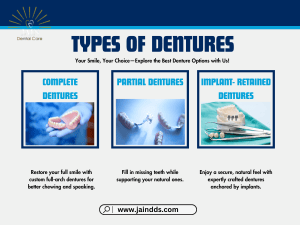
Because we’re discussing implants, you may be wondering: what are the 3 types of dental implants? Being aware of your options can assist you and your dentist in choosing the best for your case. Here’s a straightforward breakdown:
- Endosteal Implants: These are the most common. They’re little titanium posts that are directly inserted into the jawbone. When they heal, a crown, bridge, or denture is secured to them. They’re extremely durable and are effective if you have a sufficient amount of healthy jawbone.
- Subperiosteal Implants: These rest on the jawbone but are below the gums. They’re employed when a person lacks sufficient bone height or is unable to wear conventional dentures. Rather than being inserted into the bone, they utilize a metal frame to support the replacement teeth.
- Zygomatic Implants: Less frequent and more involved. They’re placed in the cheekbone (zygoma) instead of the jawbone. Dentists employ them when the top jawbone is not strong enough for standard implants, usually in extreme situations.
Your dentist will determine which one works for you depending on the health of your jawbone and your situation. All three can be lifesavers, depending on what you’re working with!
Making the Right Choice for Your Smile
So, when do you opt for dental implants over veneers? It all depends on what your teeth require most. If you have missing teeth, desire a long-term solution, require improved function, or have teeth too compromised for a quick fix, dental implants are probably your best bet. If your teeth are healthy but simply require a cosmetic adjustment, veneers could be ideal. The point is here that each option has its advantages.
The smartest thing to do? Consult your dentist. They’ll examine your mouth, hear what you have in mind, and point you in the direction of the best option. Because your smile deserves the best!!!