
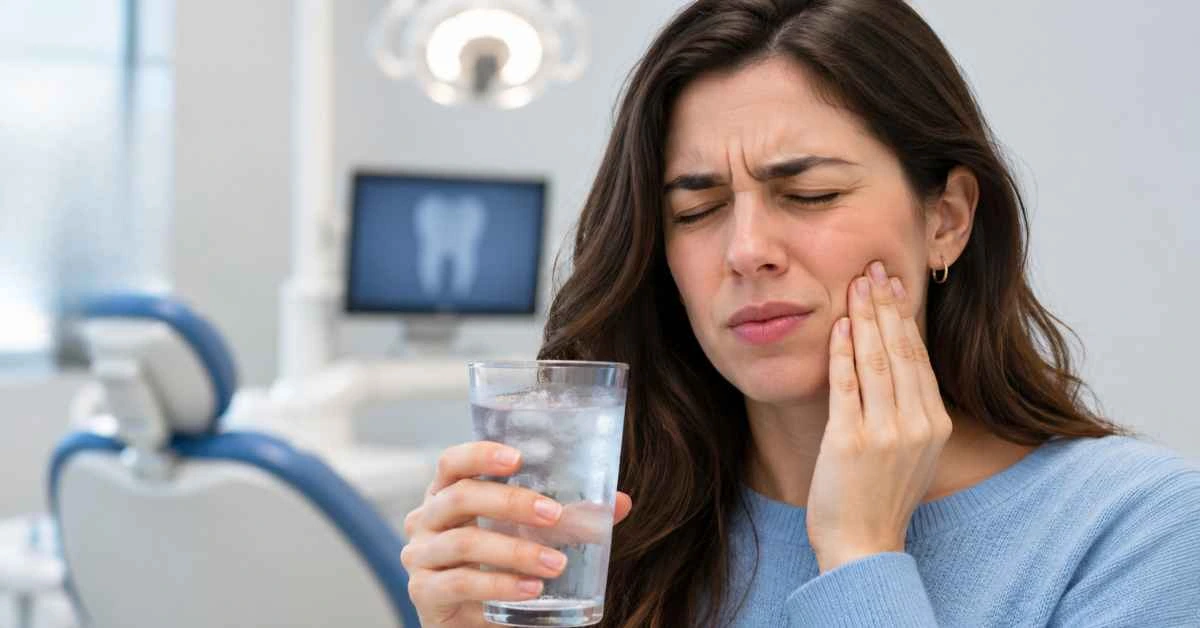
Have you ever taken a sip of ice-cold water, enjoyed a cup of hot coffee, or eaten something sweet only to feel a sudden, sharp pain in your teeth? If so, you are not alone. Tooth sensitivity is a common dental concern that can make everyday activities like eating, drinking, and even breathing through your mouth uncomfortable.
If your teeth feel sensitive when you eat or drink, it may be a sign that the protective layers of your teeth are becoming worn or that the underlying dentin is exposed. While occasional sensitivity may seem harmless, persistent discomfort deserves attention.
Understanding what causes sensitive teeth can help you find the right solution and enjoy your favorite foods without worrying about sudden tooth pain.
Why Do Your Teeth Feel Sensitive When You Eat or Drink?
Tooth sensitivity occurs when the protective enamel covering your teeth becomes thinner or the gums recede, exposing the softer layer underneath called dentin.
Dentin contains tiny channels that connect to the nerves inside your teeth. When hot, cold, sweet, or acidic foods and drinks reach these channels, they can trigger a sudden pain response.
If your teeth feel sensitive when you eat or drink, the discomfort may be related to enamel erosion, gum recession, tooth decay, or other dental concerns.
Sensitivity can affect one tooth or several teeth, depending on its underlying cause.

7 Common Reasons Your Teeth Feel Sensitive
1. Worn or Weakened Tooth Enamel
Tooth enamel protects the inner layers of your teeth. However, frequent exposure to acidic foods, sugary drinks, and aggressive brushing can gradually wear it down.
Once enamel becomes thinner, your teeth may become more sensitive to temperature changes.
2. Gum Recession
Your gums help protect the roots of your teeth. When gum tissue pulls away, the roots become exposed. Unlike the visible crown of your tooth, the root surface does not have the same protective enamel covering.
This can make cold drinks, hot foods, and brushing particularly uncomfortable.
3. Tooth Decay and Cavities
A cavity develops when bacteria damage the tooth structure. As decay progresses, it can expose sensitive inner layers and cause discomfort when eating or drinking.
If you experience sensitivity in one particular tooth, especially when eating sweets, it is worth having it examined by a dentist.
4. Cracked or Damaged Teeth
Even a small crack in a tooth can cause discomfort when you bite down or consume something hot or cold.
Sometimes, cracks are difficult to notice without a dental examination. Pain that appears while chewing and disappears afterward may be a warning sign.
5. Brushing Too Hard
Brushing harder does not necessarily make your teeth cleaner. Using excessive pressure or a hard-bristled toothbrush can contribute to enamel wear and gum recession.
A soft-bristled toothbrush and gentle circular movements are generally better for protecting your teeth.
6. Teeth Grinding
Do you wake up with a sore jaw or notice that your teeth feel uncomfortable in the morning?
You may be grinding or clenching your teeth, sometimes without realizing it. This habit can gradually wear down enamel and increase tooth sensitivity.
7. Recent Dental Treatments
Some people experience temporary sensitivity after professional teeth whitening, dental cleanings, fillings, or other dental procedures.
This usually improves with time. However, sensitivity that becomes severe or continues longer than expected should be discussed with your dentist.
Why Do My Teeth Hurt When I Drink Cold Water or Eat Something Hot?
Temperature-related sensitivity is one of the most common complaints among patients.
Cold water, ice cream, and chilled beverages can trigger sudden discomfort when dentin is exposed. Similarly, hot coffee, tea, or soup may cause pain if the protective tooth structure has been compromised.
If your teeth feel sensitive when you eat or drink, pay attention to the type of food or beverage that triggers the discomfort.
For example:
- Cold foods: May trigger pain when dentin or tooth roots are exposed.
- Hot drinks: May cause discomfort associated with exposed dentin or deeper tooth problems.
- Sweet foods: Can trigger sensitivity when cavities or exposed dentin are present.
- Acidic foods: Citrus fruits, soda, and vinegar-based foods can contribute to enamel erosion.
Noticing these patterns can help your dentist understand what may be causing the problem.
How Can You Reduce Tooth Sensitivity at Home?
If your teeth are mildly sensitive, a few changes to your daily routine may help reduce discomfort.
- Use sensitivity toothpaste: Look for toothpaste containing ingredients such as potassium nitrate or stannous fluoride.
- Choose a soft toothbrush: Brush gently twice a day to avoid irritating your gums.
- Limit acidic drinks: Reduce frequent consumption of soda, citrus juices, and other acidic beverages.
- Avoid extremely hot or cold foods: Choose comfortable food temperatures while your teeth are sensitive.
- Maintain good oral hygiene: Brush twice daily and clean between your teeth regularly.
- Avoid brushing immediately after acidic foods: Rinse with water and allow your enamel time to recover before brushing.
These steps may help manage mild sensitivity, but they cannot repair cavities, cracked teeth, or significant enamel damage.
When Should You Visit a Dentist in Atlanta?
Occasional sensitivity may not always indicate a serious problem. However, you should schedule a dental examination if:
- Tooth sensitivity continues for several days or keeps returning.
- You experience sharp pain in one particular tooth.
- Hot or cold foods cause lingering discomfort.
- Your gums appear swollen, tender, or pulled away from your teeth.
- You notice visible cracks, dark spots, or holes in your teeth.
- You experience pain while chewing.
Severe pain, facial swelling, fever, or difficulty swallowing requires prompt dental or medical attention.
A dentist can examine your teeth, identify the underlying cause, and recommend appropriate treatment before the problem becomes more complicated.
How Can a Dentist Treat Sensitive Teeth?
The right treatment depends on what is causing your discomfort. After examining your teeth and gums, your dentist may recommend:
- Fluoride treatment: Helps strengthen enamel and reduce sensitivity.
- Desensitizing treatments: Special dental products can help block the pathways responsible for sensitivity.
- Dental fillings: Used to repair cavities and damaged tooth structure.
- Dental crowns: May be recommended for significantly weakened or damaged teeth.
- Gum treatment: Addresses gum recession or underlying gum disease when appropriate.
- Night guards: Can help protect teeth if grinding or clenching is contributing to the problem.
Early diagnosis can make treatment simpler and help prevent further damage.
Get Help for Sensitive Teeth at Jain Dental Care in Atlanta, GA
You should not have to avoid your favorite foods or hesitate before taking a sip of cold water because of tooth sensitivity.
If your teeth feel sensitive when you eat or drink, the team at Jain Dental Care can help evaluate your symptoms and identify possible causes. Whether your sensitivity is related to enamel wear, gum recession, cavities, or another dental concern, understanding the problem is the first step toward finding relief.
If you are looking for a dentist in Atlanta, GA, schedule an appointment with Jain Dental Care to discuss your concerns and explore suitable treatment options.
Contact Jain Dental Care at 404-777-7147 to schedule your dental appointment.
Frequently Asked Questions
1. Why are my teeth suddenly sensitive to cold drinks?
Sudden sensitivity may occur due to enamel erosion, gum recession, cavities, or a cracked tooth. A dental examination can help identify the exact cause.
2. Can sensitive teeth go back to normal?
Mild sensitivity may improve with desensitizing toothpaste and better brushing habits. However, sensitivity caused by cavities, cracks, or gum problems may require professional dental treatment.
3. Does tooth sensitivity mean I have a cavity?
Not necessarily. Sensitive teeth can result from several conditions, including exposed dentin, enamel erosion, and gum recession. A dentist can determine whether a cavity is responsible.
4. What is the best toothpaste for sensitive teeth?
Toothpaste containing potassium nitrate or stannous fluoride may help reduce sensitivity. Your dentist can recommend an appropriate option based on your dental condition.
5. When should I worry about sensitive teeth?
You should seek dental advice if sensitivity is persistent, worsening, affects one specific tooth, or causes lingering pain. Severe pain or swelling requires prompt attention.